Deep Plane Facelift in Turkey
A facelift technique that releases and repositions the deeper facial layer rather than pulling skin. Searched more than the generic "facelift turkey" term.
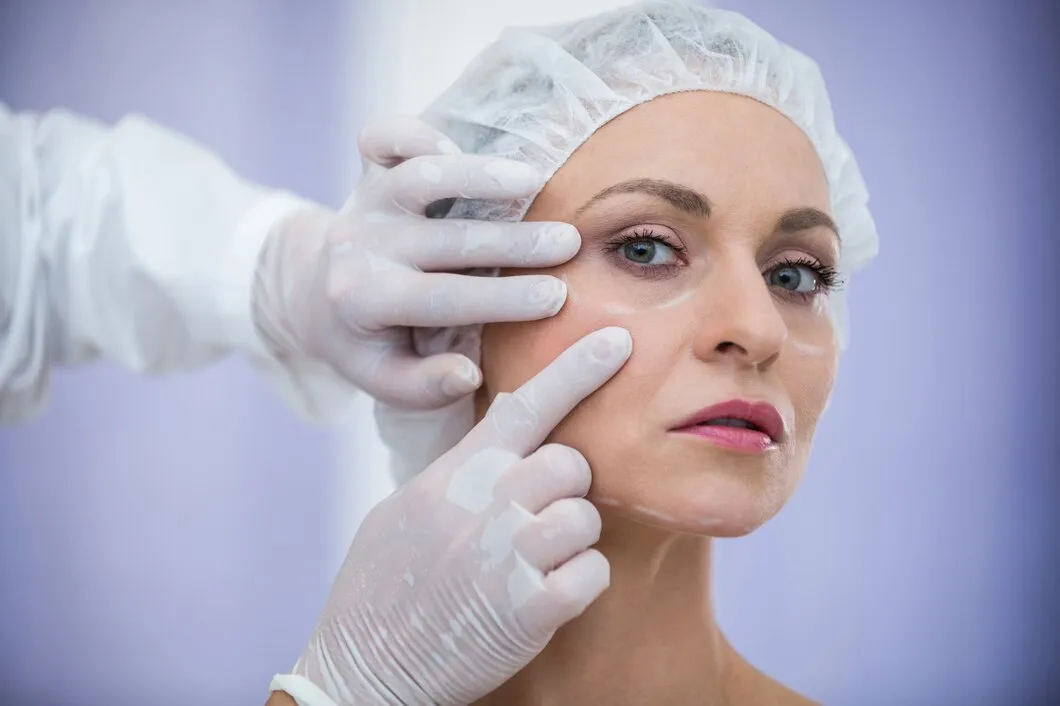
Releasing rather than pulling
A deep plane facelift works beneath the muscular layer of the face, releasing the ligaments that tether it and then repositioning the whole unit upward. The skin is redraped rather than pulled, which is where the difference in appearance comes from.
Older techniques that tightened skin alone produced the flat, wind-swept look that made facelifts recognisable. Working deeper moves volume back to where it sat, which is why a well-executed result reads as rested rather than tightened.
Who it suits
It addresses the midface, the jawline and the neck as a single structure, which suits patients whose main complaint is descent rather than skin texture. It does nothing for sun damage, pigmentation or fine lines, which are surface problems requiring surface treatments.
Patients whose concern is limited to the lower face and neck may be better served by a less extensive operation. More surgery is not automatically a better answer.
Recovery
Bruising and swelling are significant for the first two weeks and vary widely between people. Most patients are presentable at around three weeks with some make-up, though "presentable" and "settled" are different things.
Numbness across the cheeks and in front of the ears is expected and improves over months. The final result is judged at six months to a year.
Risks
The specific risk of working in this plane is injury to branches of the facial nerve, which runs through the area being released. Temporary weakness is uncommon and permanent weakness is rare, but it is the risk that makes surgeon experience matter more here than in most facial operations.
Haematoma in the first day is the other significant early complication and is more common in men and in patients with raised blood pressure.
When this operation is not the answer
- Your main concern is skin quality, pigmentation or fine lines rather than descent.
- You smoke and cannot stop. Skin flap survival depends on blood supply.
- Your blood pressure is not controlled.
- You need to be fully settled within a few weeks for an event.
Common questions
How is it different from a standard facelift?
The plane of dissection. A deep plane facelift releases and moves the deeper muscular layer as a unit; a skin-only or more superficial lift does not, and it tends to rely on tension in the skin, which is what produces a pulled appearance.
How long does it last?
It resets the position of tissue that continues to age afterwards. Most patients see the benefit persist for years, but nothing stops the process, and results are longer-lasting in non-smokers with stable weight.
Will it help my neck?
The technique addresses the jawline and upper neck as part of the same release. Significant neck laxity or platysmal banding may need work directed at the neck specifically.
Request a plan
Ask about deep plane facelift
Describe what bothers you and what you have already tried. You will get an honest answer about whether this is the right operation, including if it is not.
Who would operate
Op. Dr. Arda Akgün
Plastic, Reconstructive and Aesthetic Surgery Specialist. Speaks English and Turkish.
Full backgroundRelated
Others in this group
Rhinoplasty
Surgery that changes the shape, size or function of the nose. Two search terms matter here and they behave dif…
Facelift
The general entry page for facial rejuvenation surgery. Note the gap: global demand is 1,300 while UK demand i…
Eyelid Surgery
Blepharoplasty removes or repositions the skin and fat that make the eyes look tired. One of the smallest oper…